The Wall Is the Canvas: Why MURAL Festival Is Montreal's Most Important Week
Every June, Boulevard Saint-Laurent gets scaffolding. Artists climb it with rollers and spray cans. Over eleven days, the Main turns into something that's hard to describe to someone who hasn't been there: forty feet of paint going up on brick while people drink coffee on the patio below and watch.
That's MURAL Festival. June 4–14, 2026. Back on the Main, free, 13th edition.
If you've never walked the strip during festival week, fix that this year. If you're visiting Montreal from somewhere else and this overlaps with your trip: stay.
What MURAL Actually Is
MURAL started in 2013. The idea was simple: get world-class muralists painting on Montreal streets, live, in public, for free. The organization behind it, LNDMRK, built the festival's curatorial direction from the beginning. (Quick 2026 update: LNDMRK was acquired by Multicolore, the same company behind Igloofest and Piknic Électronik, in April. The acquisition keeps MURAL's 13th edition intact and folds it into a larger family of Montreal cultural events. The festival continues unchanged.)
The format is genuinely unusual. International and local muralists paint directly on building facades over eleven days, and the public just... watches. You can sit on a patio chair on Saint-Laurent, order a beer, and spend an hour watching a wall get made. Most cities put their art in rooms with admission fees. Montreal puts it outside, in weather, in the middle of the day.
Programming beyond the murals: block parties, live music, guided tours, outdoor exhibitions, food. The whole stretch from Sherbrooke to Mont-Royal runs differently during festival week than any other time of year.
Artists and Walls to Watch in 2026
Each edition pulls a mix of Montreal artists and international names, and they're all working in a neighborhood where graf culture has been part of the built environment for decades. That history is visible: new work goes up next to old work, layers accumulate, and the whole corridor starts to feel like a conversation across years.
Past editions produced walls that are genuine neighborhood fixtures now. Tourists photograph them without knowing who made them. Locals have walked past them hundreds of times and still glance up. The best walls from any MURAL edition eventually stop belonging to the festival and start belonging to the street.
The guided tours are worth doing at least once: ninety minutes, knowledgeable guide, a lot of context you wouldn't pick up solo. It changes how you look at the work.
Walls That Are Still Up
A lot of what previous editions produced is still there. The stretch near Rachel has accumulated enough work that the block feels curated at this point. The side streets off Saint-Laurent (especially heading north from Sherbrooke) have density that's easy to miss if you stay on the main corridor. Turn corners. Check the laneways.
MURAL also has a track record of working with artists before those artists get well-known. Some of the most interesting walls from early editions were made by people who weren't widely recognized yet. Following the lineup year to year is partly a way of tracking who the festival is paying attention to before the wider world catches up.
The Thing About Doing This at All
There's something worth noting about a city that shuts down its most famous boulevard for eleven days and gives it to artists. A lot of cities talk about public art and then put it in a plaza somewhere that nobody walks through.
Montreal's relationship to street art isn't new or manufactured. The Plateau graf scene predates MURAL by at least a generation. What the festival does is give a platform to energy that was already here, without cleaning it up so much that it stops being what it was.
That balance is hard to pull off. MURAL is a sponsored, city-supported event. The walls still feel like they're pushing against something. Both things are true at the same time, which is why it works.
Why Blem Is There
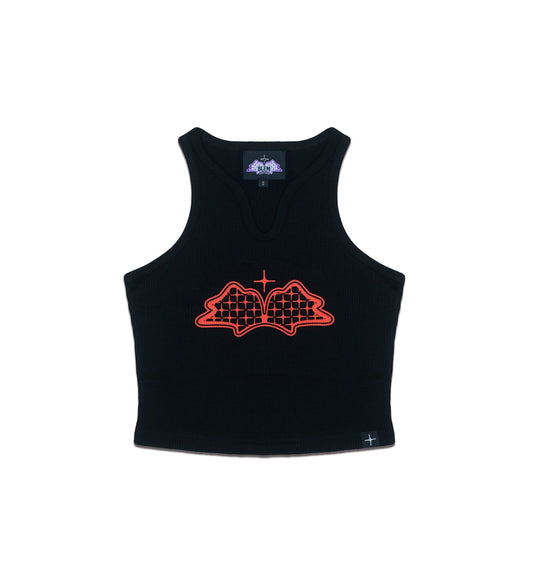
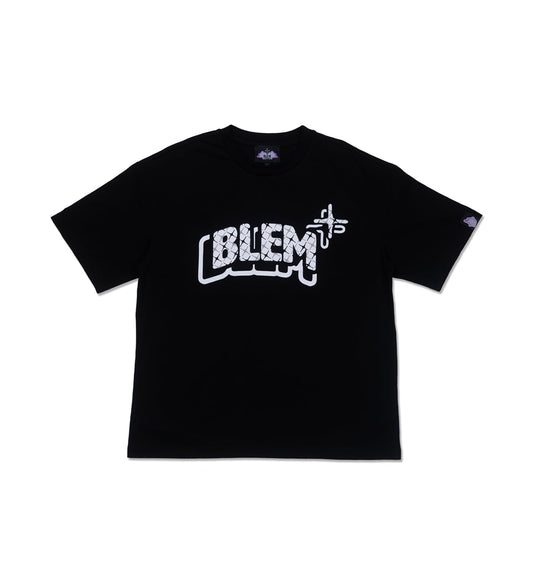
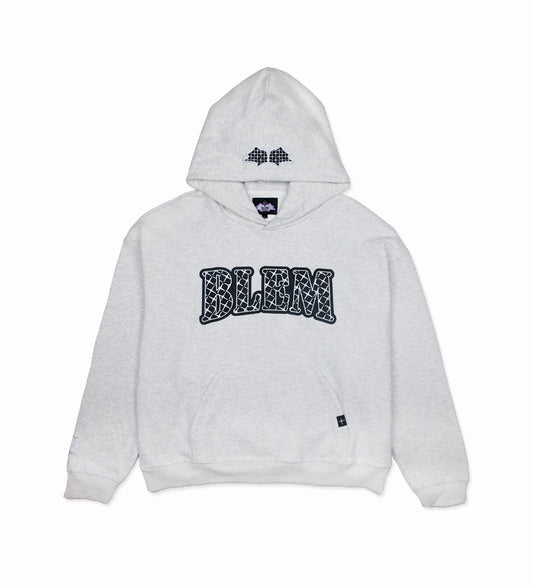
Blem's visual language (the wings, the stars, the graffiti roots) came from these streets. Not from a mood board. Saint-Laurent specifically. The Plateau broadly. The same ecosystem MURAL celebrates every June is the one the brand grew out of.
The star in Blem's work isn't just decoration. It's about imperfection aimed at something: the idea that trying matters more than arriving clean. Street art works the same way. It goes up in weather, fades, gets seen by people who didn't ask to see it. It doesn't wait for the right conditions.
Blem will be at MURAL this year. Walking the strip, watching the walls. No installation, no sponsorship. Just showing up.
MURAL Festival runs June 4–14, 2026 on Boulevard Saint-Laurent. All programming is free.
Photos and wall documentation coming to the Blem blog once the festival closes.